Important Safety Information Prescribing Information Medication Guide Boxed Warning

Featured Video

Wegovy® Clinical Conversations: Perspectives From the Exam Room

This video features a group of health care professionals, including a cardiologist, speaking about the integration of health care with obesity management, as well as how Wegovy® could reduce the risk of MACE* in adults with established CVD and obesity or overweight, with diet and exercise.

Video close button
Video open button
Arrow down icon

MACE is defined as cardiovascular death, non-fatal myocardial infarction, or non-fatal stroke.

CVD, cardiovascular disease; MACE, major adverse cardiovascular events.

STEP 5 Study

Wegovy® in adults with obesity

Arrow Image

SELECT Study

Wegovy® and MACE risk reduction

Arrow Image

STEP TEENS Study

Wegovy® in adolescent patients

Arrow Image

Dosing and Administration

Wegovy® dose escalation schedule

Arrow Image

Wegovy® and Significant Weight Loss

In adults with obesity or overweight with at least one weight-related
comorbidity, along with diet and exercise,

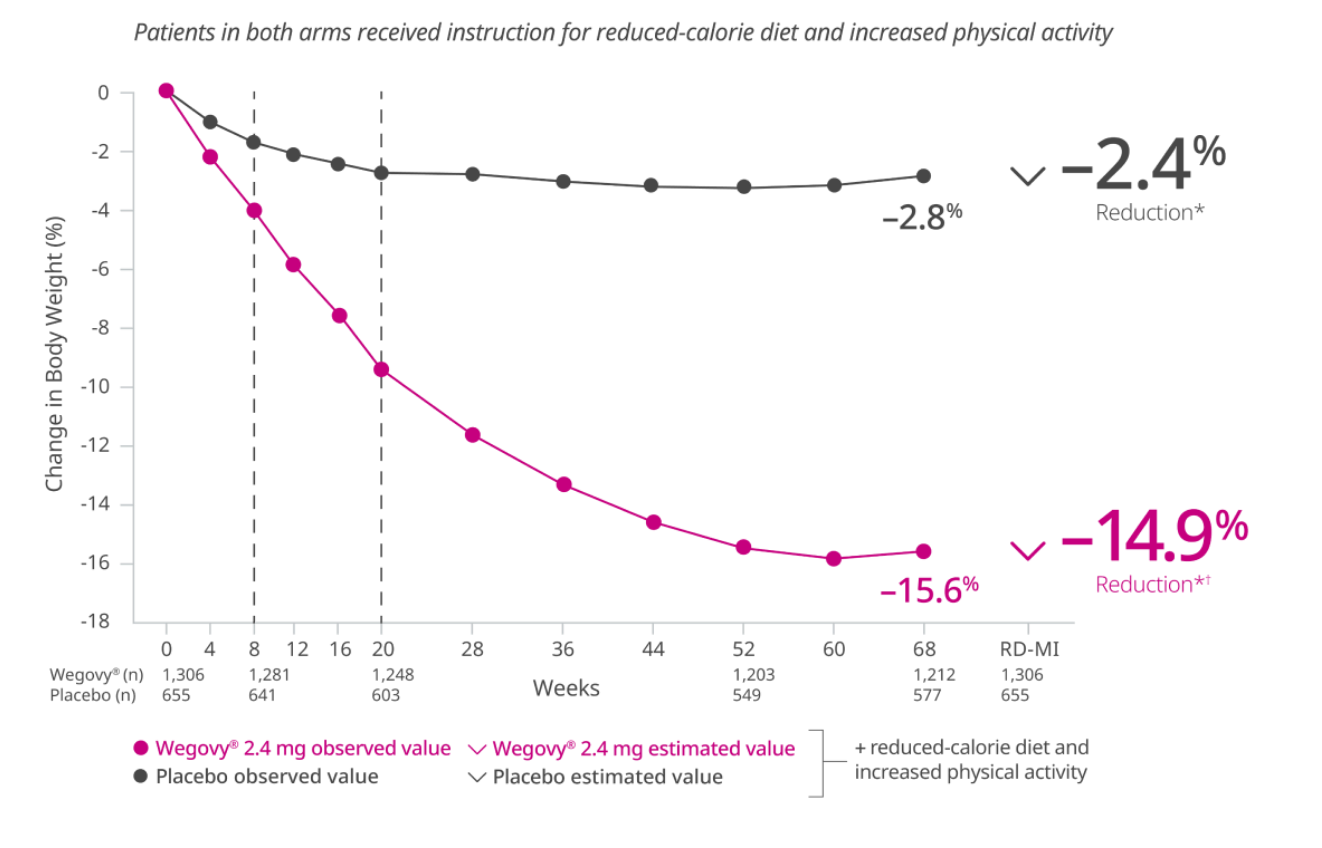
With the power of Wegovy®, patients achieved significant weight loss that started early1,2

Co-primary end point: Mean change in body weight (%) from week 0 to week 681,2

Graph representing Co-primary end point: mean change in body weight (%) form week 0 to week 68

Missing data were imputed from retrieved subjects of the same randomized treatment arm (RD-MI). During the trial, 17% of patients in the Wegovy® arm discontinued treatment compared with 22% in the placebo arm. *p<0.0001 (unadjusted 2-sided) for superiority. Difference from placebo was -12.4%.

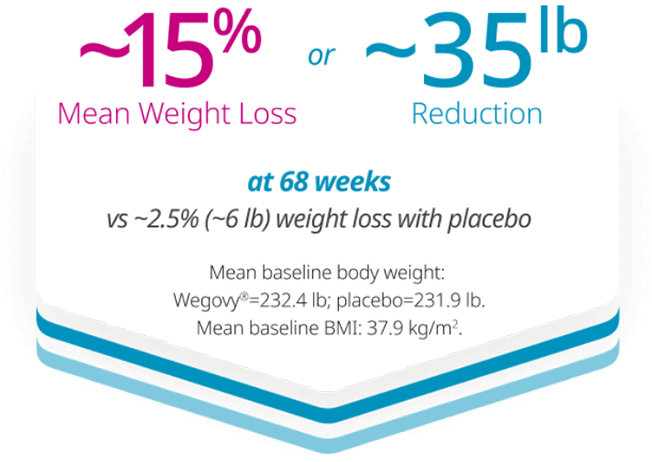
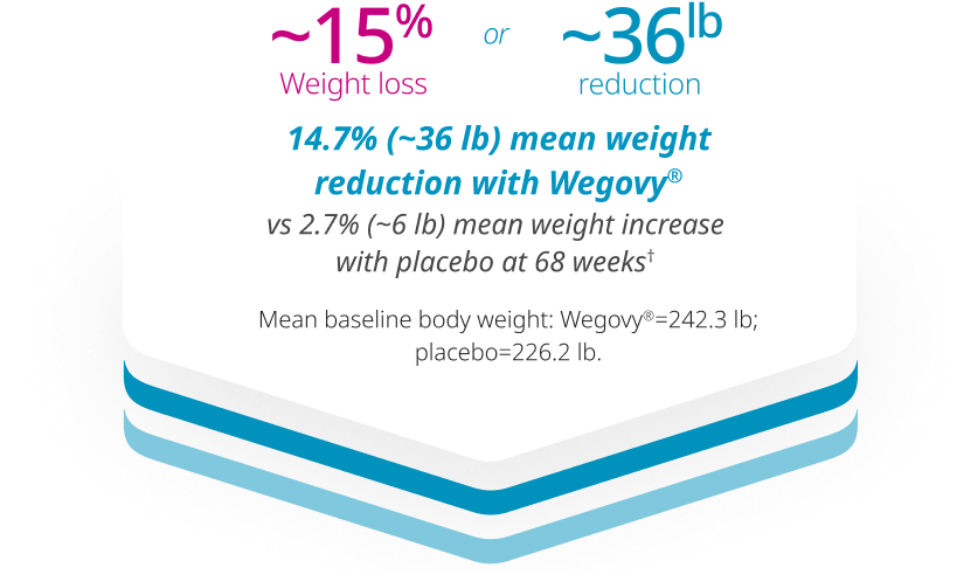
Patients taking Wegovy® achieved1,2

Visual representing Patients taking Wegovy achieved 15% Mean Weight Loss or 35lb Reduction
  • Co-primary end point: Percentage of patients achieving ≥5% weight loss from baseline to week 681-3
    • 83.5% of patients on Wegovy® 2.4 mg vs 31.1% of patients on placebo arm both in conjunction with diet and exercise

Study design1

STEP 1: A 68-week trial of 1,961 adults with obesity (BMI ≥30 kg/m2) or with overweight (BMI 27 kg/m2-29.9 kg/m2) and at least one weight-related comorbid condition, such as treated or untreated dyslipidemia or hypertension; patients with type 2 diabetes mellitus were excluded. Patients were randomized in a 2:1 ratio to either once-weekly Wegovy® 2.4 mg or placebo (with a 16-week dose escalation), both in conjunction with a reduced-calorie diet (~500 kcal/day deficit) and increased physical activity (recommended to a minimum of 150 min/week).

EXPLORE CLINICAL STUDY DATA

BMI, body mass index.

References: 1. Wegovy® [package insert]. Plainsboro, NJ: Novo Nordisk Inc. 2. Wilding JPH, Batterham RL, Calanna S, et al. Once-weekly semaglutide in adults with overweight or obesity. N Engl J Med. 2021;384(11):989-1002. 3. Data on file. Novo Nordisk Inc.; Plainsboro, NJ.

Icon representing Wegovy and Weight Loss

Wegovy® and Weight Loss

Explore the STEP 1 study data for adult patients with obesity or overweight.

Wegovy® for Chronic Weight Management

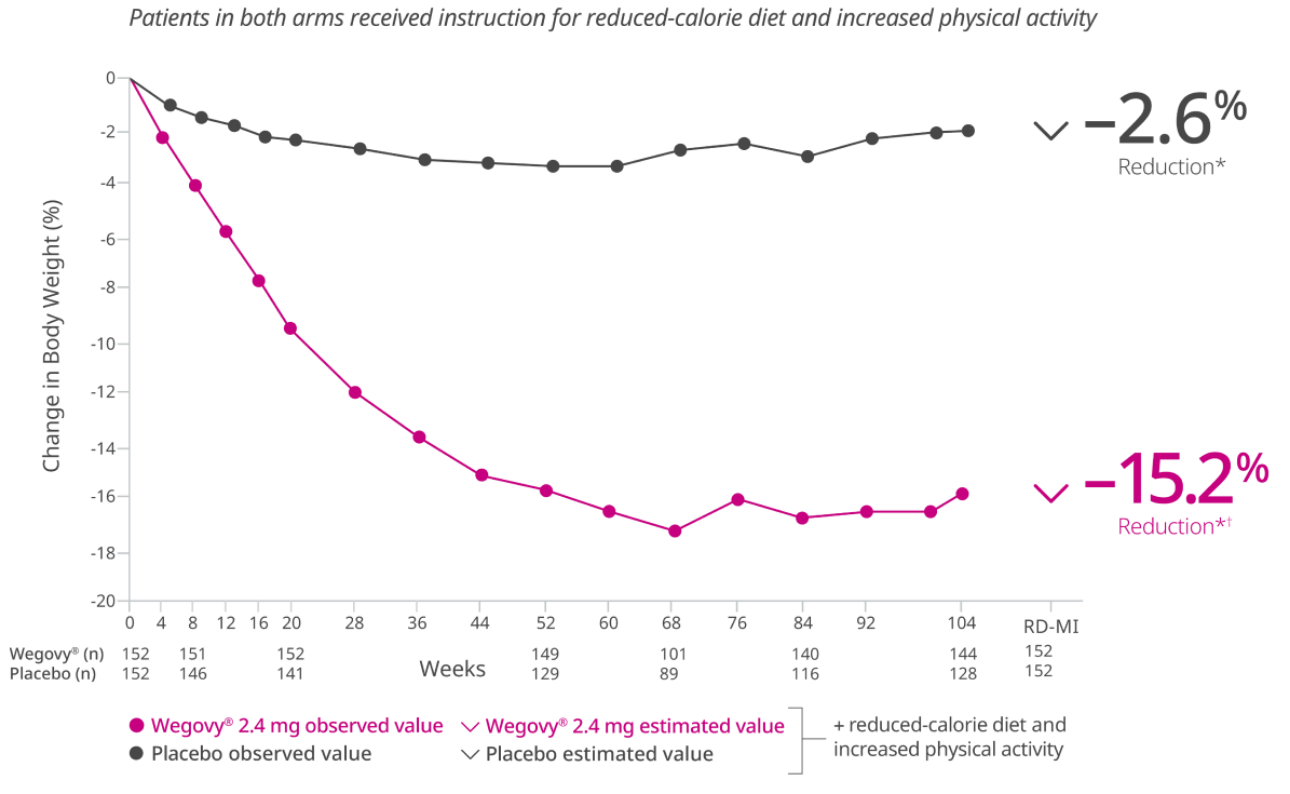
It’s not just about weight loss. It’s about sustained weight loss at 2 years1

Co-primary end point: Mean change in body weight (%) from week 0 to week 1041

Graph representing Co-primary end point: Mean change in body weight from week 0 to week 104

During the trial, 13% of patients in the Wegovy® arm discontinued treatment compared with 27% in the placebo arm. Missing data were imputed from retrieved subjects of the same randomized treatment arm (RD-MI). *p<0.0001 (unadjusted 2-sided) for superiority. Difference from placebo was -12.6%.

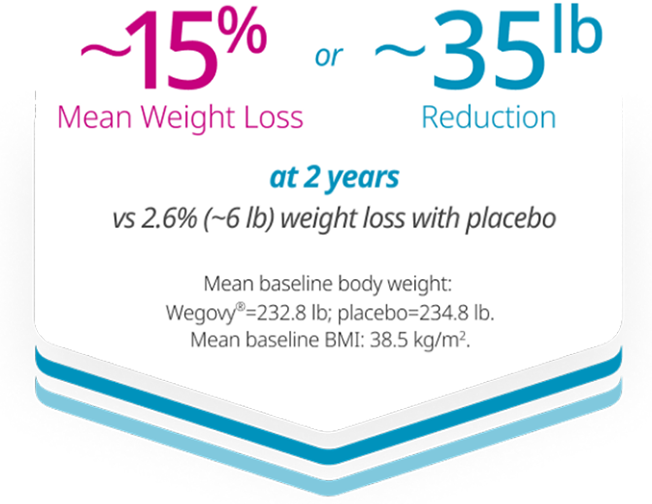
Patients taking Wegovy® achieved1

Visual representing Patients taking Wegovy achieved 15% Mean Weight Loss or 35lb Reduction
  • Co-primary end point: Percentage of patients achieving ≥5% weight loss from baseline to week 1041
    • 77.1% of patients on Wegovy® 2.4 mg vs 34.4% of patients on placebo arm both in conjunction with diet and exercise

Observed data include only patients who had a body weight assessment at week 104 (144 of 152 for Wegovy® arm and 128 of 152 for placebo arm) and do not include all randomized patients.1

Clinical trial

STEP 5 Study Design1

A 104-week trial of 304 adults with obesity (BMI ≥30 kg/m2) or with overweight (BMI 27 kg/m2-29.9 kg/m2) and at least 1 weight-related comorbid condition, such as dyslipidemia, hypertension, cardiovascular disease, or obstructive sleep apnea; patients with diabetes mellitus were excluded. Patients were randomized 1:1 to once-weekly Wegovy® 2.4 mg or placebo (with a 16-week dose escalation), both in conjunction with a reduced-calorie diet (~500 kcal/day deficit) and increased physical activity (recommended to a minimum of 150 min/week).

Randomized clinical trials are designed to show causality4,5

Randomized clinical trials (RCTs)

  • Evaluate the safety and efficacy of a treatment in specific populations under controlled conditions
  • Prospective designs with prespecified, well-defined inclusion/exclusion criteria, outcomes, and end points
  • Patients are randomly assigned to treatment or comparator

Limitations:

  • Tightly controlled conditions and inclusion/exclusion criteria of RCTs may limit generalizability to real-world conditions or clinical populations
  • Can be expensive and time-consuming

Real-world studies evaluate associations and cannot determine causality5,6

Real-world observational studies

  • Use data from routine clinical practice
  • Capture outcomes across broad patient populations
  • Offer insight into how treatments perform outside of a controlled clinical trial setting
  • Should be viewed as complementary to clinical trial data

Limitations:

  • Susceptible to bias and confounding due to factors such as lack of randomization, missing or duplicative data, coding inaccuracies, and data variability reflecting routine clinical practice

In a retrospective, observational study of US adults with obesity,

Patients in a support program reported 21.2% weight loss with Wegovy®2

Graph representing WeGoTogether®
Patients in WeGoTogether® lost 21.2% weight over 2 years; avg weight 237 lb.

Limitations: All data was self-reported which may be prone to bias. Weight change was analyzed descriptively. Self-reported first injection start date (index) may not reflect Wegovy® initiation. Collected baseline patient data were limited preventing further characterization of patients (comorbidities and concomitant medication use, including obesity medications, GLP-1 RA, or GIP/GLP-1 RA). Adherence to Wegovy® at time of self-reported weight is unknown. WeGoTogether® does not include a control group for comparison.2

Results should be interpreted in the context of limitations of this study.

Real-world evidence

WeGoTogether® Real-World Weight Outcomes Study Design2

A retrospective observational study using the Komodo Research Dataset (EHR linked to medical and pharmacy claims) of US adults with obesity (BMI ≥30 kg/m2) or overweight (BMI 25 kg/m2-29.9 kg/m2) and at least 1 obesity-related complication without type 2 diabetes who were persistent on Wegovy® (n=6,794) or tirzepatide (n=3,122) for 1 year of follow-up. Persistence was defined as no gap >30 days in index therapy and accounted for stockpiling (crediting overlap).

Time periods and definitions: Study period: June 4, 2020-February 15, 2025; index date: Date of first Wegovy® or tirzepatide claim; baseline period: 1 year prior to index date; follow-up period: 1 year after and including the index date.

REVIEW THE STUDY DATA

BMI, body mass index; EHR, electronic health record; GIP, glucose-dependent insulinotropic polypeptide; GLP-1 RA, glucagon-like peptide-1 receptor agonist; HCP, health care professional.

References: 1. Garvey WT, Batterham RL, Bhatta M, et al. Two-year effects of semaglutide in adults with overweight or obesity: the STEP 5 trial. Nat Med. 2022;28(10):2083-2091. 2. Toliver JC, Divino V, Ng CD, Wang J. Real-world weight loss among patients initiating semaglutide 2.4 mg and enrolled in WeGoTogether, a digital self-support application. Adv Ther. Published online August 6, 2025. doi:10.1007/s12325-025-03325-1

Icon representing Wegovy in Adults with Obesity

Wegovy® in Adults With Obesity

Wegovy® has 2-year data for chronic weight management.1

Reference: 1. Garvey WT, Batterham RL, Bhatta M, et al. Two-year effects of semaglutide in adults with overweight or obesity: the STEP 5 trial. Nat Med. 2022;28(10):2083-2091.

Wegovy® and MACE Risk Reduction

In adults with established CVD and either obesity or overweight, without diabetes, when added to CV standard of care,

Wegovy® is the first obesity treatment proven to prevent life-threatening cardiovascular events1-3

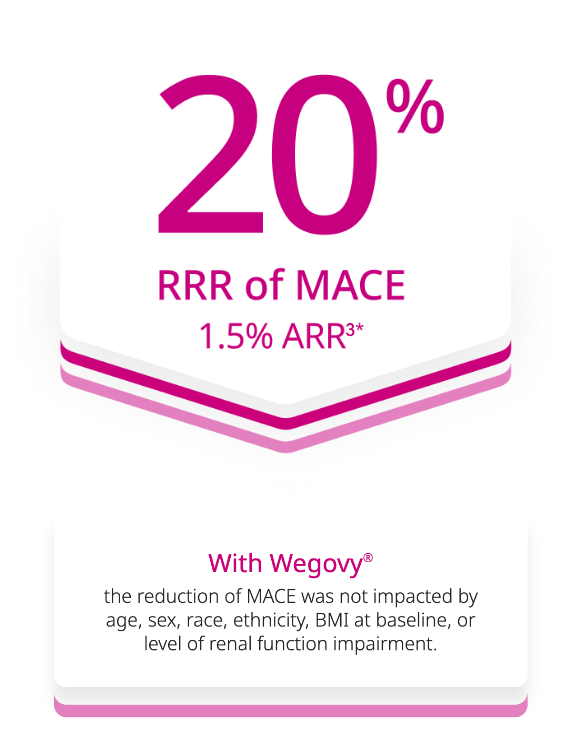
Primary composite end point: Time to first occurrence of MACE (CV death, non-fatal MI, or non-fatal stroke)1,2

Graph representing Primary composite end point: Time to first occurrence of MACE

Cumulative Incidence Function: Time to first occurrence of 3-part MACE. Data from the in-trial period. During the trial, 31% of patients in the Wegovy® arm discontinued treatment compared with 27% in the placebo arm. SCORE real-world data: CV outcomes

When added to CV SOC1,2

Visual representing When added to CV SOC 20% RRR or MACE

*1.5% ARR at 40 months (mean duration of follow-up).

Clinical trial

SELECT Study Design1,2

A multi-national, double-blind, placebo-controlled, event-driven CV outcomes trial of 17,604 adults with a BMI ≥27 kg/m2 and established CVD (prior MI, prior stroke, or PAD) assessing superiority of once-weekly Wegovy® 2.4 mg vs placebo (1:1 randomization, with a 16-week dose escalation) for time to first MACE. Both groups received current standard of care, including CV risk factor management and individualized healthy lifestyle counseling (including diet and physical activity); concomitant CV therapies could be adjusted at investigator discretion to ensure participants were treated according to the current standard of care for patients with established CVD. Patients with a history of type 1 or type 2 diabetes were excluded. Median duration of follow-up was 41.8 months.

Randomized clinical trials are designed to show causality4,5

Randomized clinical trials (RCTs)

  • Evaluate the safety and efficacy of a treatment in specific populations under controlled conditions
  • Prospective designs with prespecified, well-defined inclusion/exclusion criteria, outcomes, and end points
  • Patients are randomly assigned to treatment or comparator

Limitations:

  • Tightly controlled conditions and inclusion/exclusion criteria of RCTs may limit generalizability to real-world conditions or clinical populations
  • Can be expensive and time-consuming

Real-world studies evaluate associations and cannot determine causality5,6

Real-world observational studies

  • Use data from routine clinical practice
  • Capture outcomes across broad patient populations
  • Offer insight into how treatments perform outside of a controlled clinical trial setting
  • Should be viewed as complementary to clinical trial data

Limitations:

  • Susceptible to bias and confounding due to factors such as lack of randomization, missing or duplicative data, coding inaccuracies, and data variability reflecting routine clinical practice

In adults with established CVD and either obesity or overweight, without diabetes,

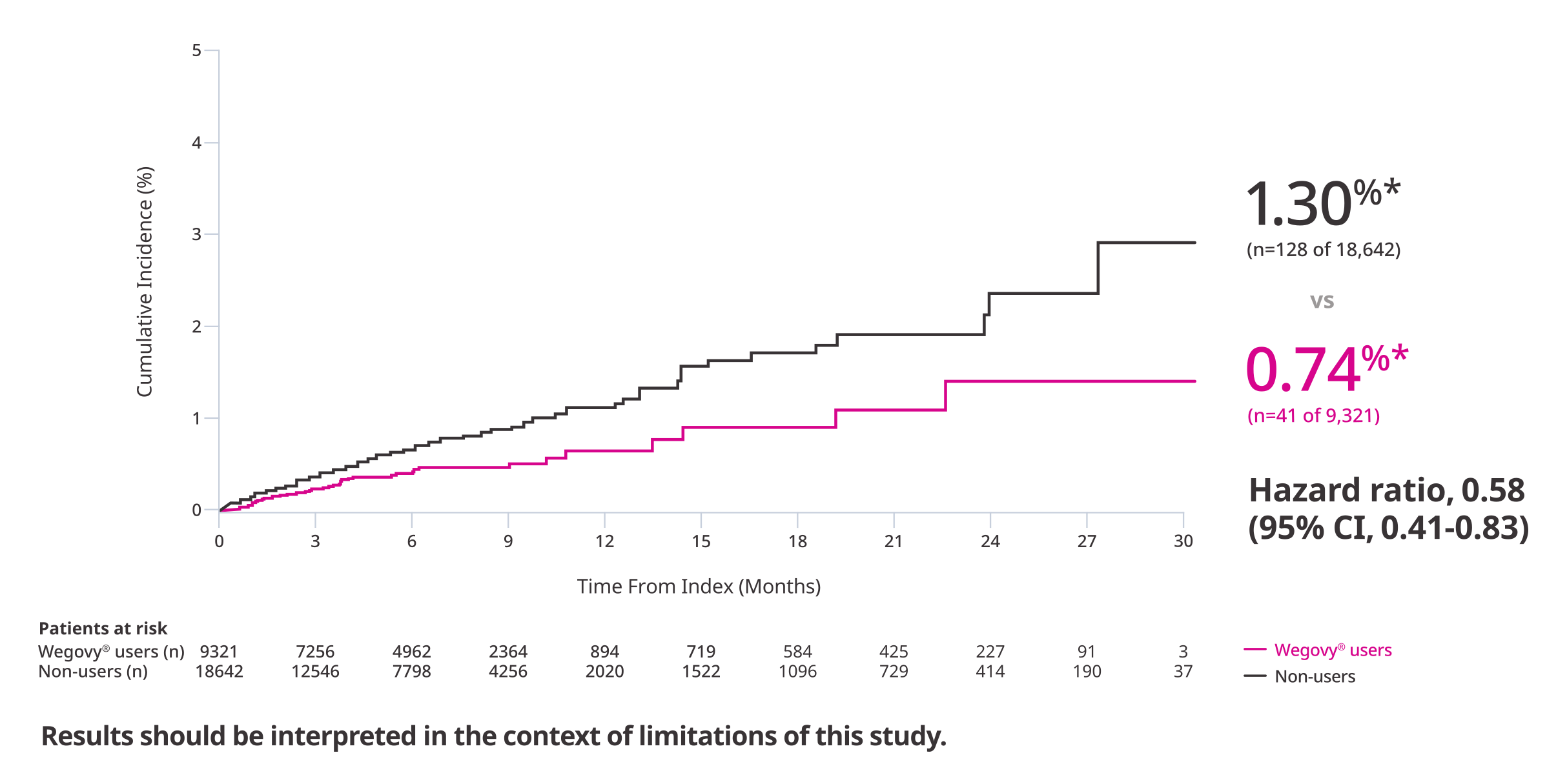
Wegovy® was associated with lower incidence of MACE in a real-world study7

Outcome: Time to first occurrence of MACE-3 (CV death, non-fatal MI, or non-fatal stroke)7

Graph representing Outcome: Time to first occurrence of MACE-3 (CV death, non-fatal MI, or non-fatal stroke)
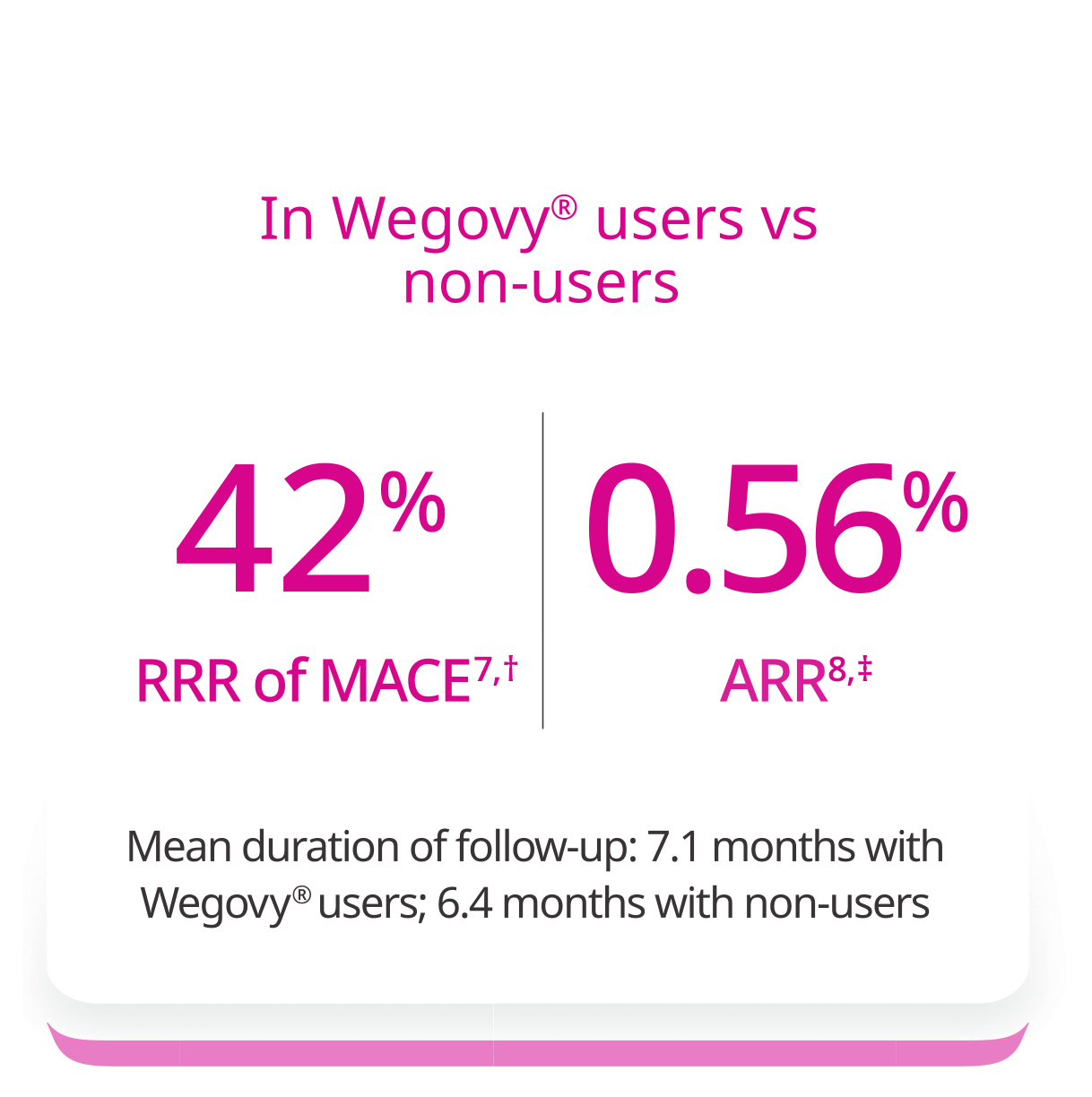
Visual representing In Wegovy® users vs non-users

The relative risk reduction is approximated by 1-hazard ratio. ARR represents the difference in event rates per person-year in semaglutide users versus non-users.

Limitations: Despite robust PS matching and multiple sensitivity analyses, the potential for residual unmeasured confounding exists. The approval of Wegovy® in 2021 resulted in a relatively short duration of follow-up, limiting assessment of long-term outcomes. Requiring 12 months of continuous coverage before the index date may exclude patients with intermittent insurance coverage of those from underserved populations limiting generalizability.

Real-world evidence

SCORE Study Design7

A retrospective observational study using the Komodo Research Dataset (EHR linked to medical and pharmacy claims) of 27,963 US adults with a BMI ≥27 kg/m2 and established CVD (prior MI, prior stroke, or PAD) comparing the incidence of MACE-3 (CV death, non-fatal MI, or non-fatal stroke) in Wegovy® users vs non-users without diabetes. Full study period was from January 1, 2016, to December 31, 2023. Index date was defined as first Wegovy® claim or randomly selected pharmacy claim on or after June 4, 2021, for Wegovy® users and non-users, respectively. Baseline period was 12 months prior to the index date. Wegovy® users and non-users were matched using a non-parsimonious PS model to alleviate the effect of potential confounding on systematic differences in patient characteristics. Over 50 variables were matched, including age, gender, race/ethnicity, region, insurance type, index year, duration between the eligibility date and index date, BMI, smoking history, comorbidities, procedures, medication use, and health care resource utilization.

EXPLORE THE STUDY DATA

ARR, absolute risk reduction; BMI, body mass index; CI, confidence interval; CV, cardiovascular; CVD, cardiovascular disease; EHR, electronic health record; MACE, major adverse cardiovascular events; MI, myocardial infarction; PAD, peripheral arterial disease; PS, propensity score; RRR, relative risk reduction; SOC, standard of care.

References: 1. Wegovy® [package insert]. Plainsboro, NJ: Novo Nordisk Inc. 2. Lincoff AM, Brown-Frandsen K, Colhoun HM, et al. Semaglutide and cardiovascular outcomes in obesity without diabetes. N Engl J Med. 2023;389(24):2221-2232. 3. FDA approves first treatment to reduce risk of serious heart problems specifically in adults with obesity or overweight. FDA. Published March 8, 2024. Accessed April 23, 2025. https://www.fda.gov/news-events/press-announcements/fda-approves-first-treatment-reduce-risk-serious-heart-problems-specifically-adults-obesity-or 4. Zabor EC, Kaizer AM, Hobbs BP. Randomized controlled trials. Chest. 2020;158(1S):S79-S87. 5. Sheldrick RC. Randomized trials vs real-world evidence: how can both inform decision-making? JAMA. 2023;329(16):1352-1353. 6. Dang A. Real-world evidence: a primer. Pharmaceut Med. 2023;37(1):25-36. 7. Smolderen KG, Mena-Hurtado C, Zhao Z, et al. Lower risk of cardiovascular events in patients initiated on semaglutide 2.4 mg in the real-world: results from the SCORE study (Semaglutide Effects on Cardiovascular Outcomes in People with Overweight or Obesity in the Real World). Diabetes Obes Metab. 2025;27(11):6691-6704. Published online September 9, 2025. doi:10.1111/dom.70080 8. Data on file. Novo Nordisk Inc.; Plainsboro, NJ.

Wegovy® and MACE Risk Reduction

Wegovy® is the only obesity treatment proven to reduce the risk of MACE in adults with established CVD and either overweight or obesity.1,2

CVD, cardiovascular disease; MACE, major adverse cardiovascular events.References: 1. Wegovy® [package insert]. Plainsboro, NJ: Novo Nordisk Inc. 2. Lincoff AM, Brown-Frandsen K, Colhoun HM, et al. Semaglutide and cardiovascular outcomes in obesity without diabetes. N Engl J Med. 2023;389(24):2221-2232.

Wegovy® in Adolescent Patients

Providing adolescents with obesity another option

Wegovy® is the only once-weekly GLP-1 RA indicated to reduce excess body weight and maintain weight reduction long term in combination with diet and exercise in adolescents with obesity aged 12 years and older1

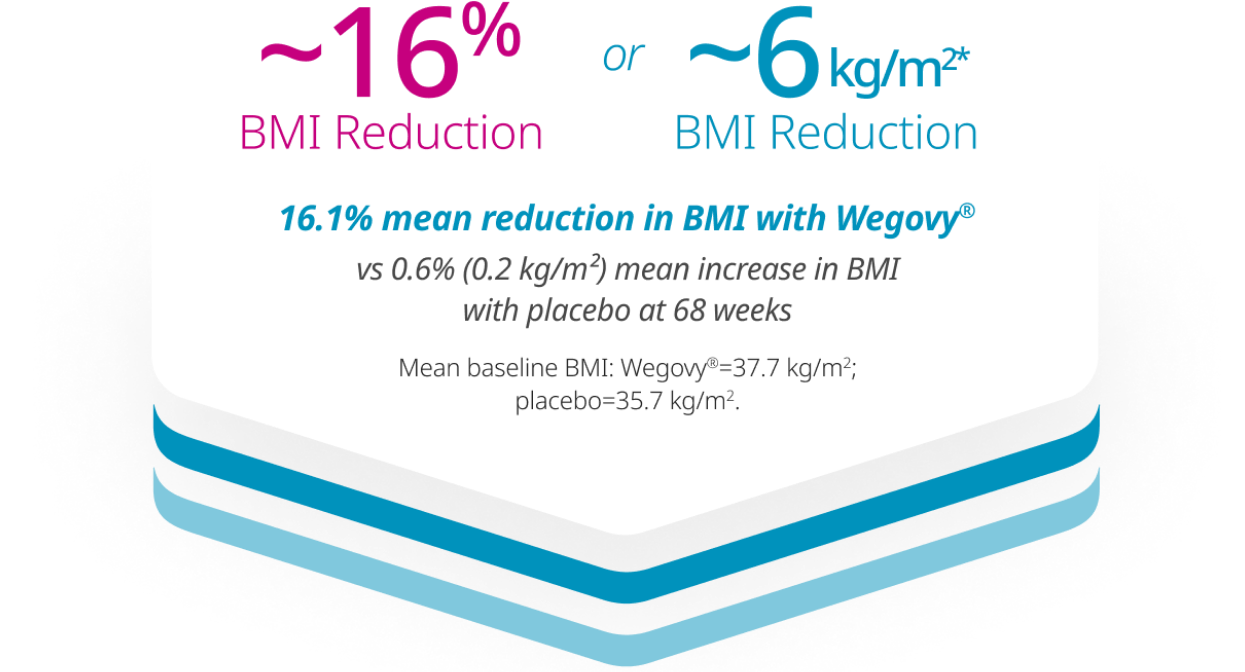
Wegovy® delivers significant, sustained BMI reduction at week 681

Primary end point1

Visual representing Primary end point 16% BMI Reduction or 6kg/m BMI Reduction

*BMI reduction has been expressed in kg/m2.

Supportive secondary end point1,2†

Visual representing Supportive secondary end point 15% weight loss or 36lb reduction

Supportive secondary end points were not included in the statistical testing hierarchy and, as such, not controlled for multiplicity.

Study design1,2

STEP TEENS: A 68-week trial of 201 adolescent patients aged 12 to <18 years with a BMI in the 95th percentile or higher (according to sex- and age-specific growth charts). Patients were required to have at least one unsuccessful dietary weight-loss attempt and also completed a 12-week lifestyle intervention run-in phase. Patients were randomized in a 2:1 ratio to once-weekly Wegovy® 2.4 mg or placebo for 68 weeks (including a 16-week dose escalation). Patients in both arms also received behavioral lifestyle therapy, consisting of counseling on healthy nutrition and physical activity for weight loss (a goal of 60 minutes/day of physical activity). The 68-week treatment period was followed by a 7-week follow-up period during which patients did not receive Wegovy® or placebo. During the trial, 10% of patients in each of the Wegovy® and placebo arms discontinued treatment.

SEE MORE CLINICAL STUDY DATA

BMI, body mass index; GLP-1 RA, glucagon-like peptide-1 receptor agonist.

References: 1. Wegovy® [package insert]. Plainsboro, NJ: Novo Nordisk Inc. 2. Weghuber D, Barrett T, Barrientos-Pérez M, et al. Once-weekly semaglutide in adolescents with obesity. N Engl J Med. 2022;387(24):2245-2257.

Icon representing Wegovy in Adolescent Patients

Wegovy® in Adolescent Patients

Review the STEP TEENS study data for adolescent patients ≥12 years of age with obesity.

Dose-Escalation Schedule

Dosing designed with your patients in mind

Gradual Wegovy® dose escalation gives patients time to adjust to treatment1

Dose-escalation schedule

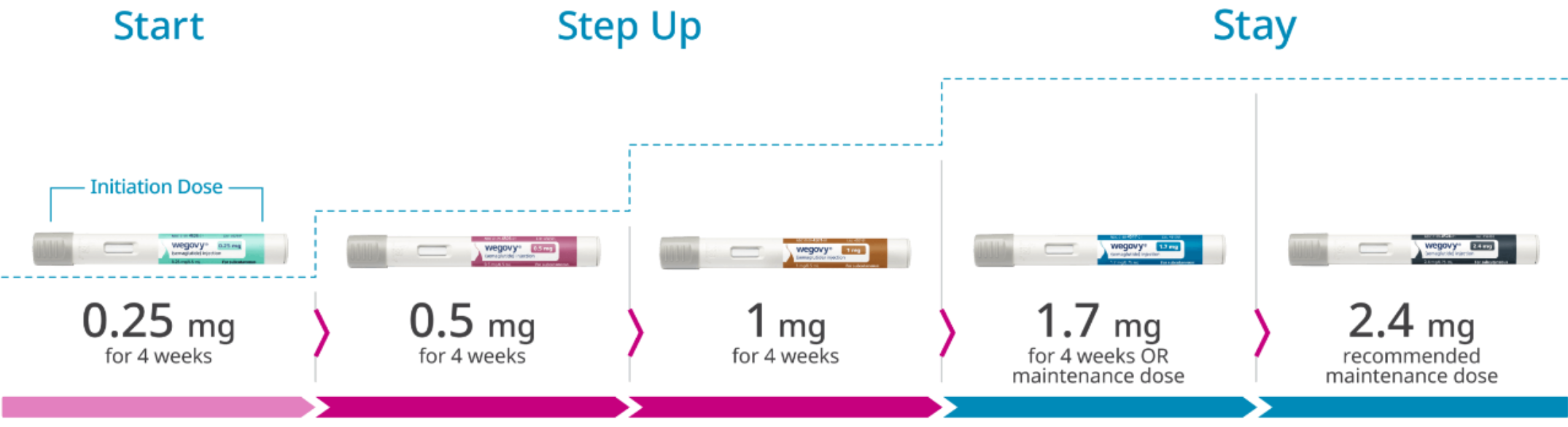
Start your patients with once-weekly Wegovy® at 0.25 mg and escalate the dose every 4 weeks.

Icon representing Dose-escalation schedule

Follow the dose-escalation schedule to reduce the risk of gastrointestinal adverse reactions.1

Injected subcutaneously once weekly.

The maintenance dose of Wegovy® is either 2.4 mg (recommended) or 1.7 mg once weekly. Consider treatment response and tolerability when selecting the maintenance dose.

SEE THE DOSING AND ADMINISTRATION GUIDE

Reference: 1. Wegovy® [package insert]. Plainsboro, NJ: Novo Nordisk Inc.

Icon representing Wegovy Dose Escalation Schedule

Wegovy® Dose Escalation Schedule

Gradual Wegovy® dose escalation gives patients time to adjust to treatment.1

Reference: 1. Wegovy® [package insert]. Plainsboro, NJ: Novo Nordisk Inc.

The branded obesity medicine with the broadest insurance coverage1

Commercially insured
patients pay as little as

[$0]

per
month

with the Wegovy® savings offer*

Icons representing Help your patients get started with Wegovy in 3 easy steps

85.8% of filled prescriptions end up costing patients between $0-$30

Icons representing Help your patients get started with Wegovy in 3 easy steps

55 million patients are covered
for Wegovy®1

Icons representing Help your patients get started with Wegovy in 3 easy steps

Covered by all 3 major pharmacy benefit managers (Express Scripts®, CVS®, and Optum®)1

Self-paying patients pay only

[$499]

or [$18]
per day

for their monthly supply of Wegovy®‡§

Icons representing Help your patients get started with Wegovy in 3 easy steps

Flat cost that doesn’t increase
with dose

Icons representing Help your patients get started with Wegovy in 3 easy steps

Comes in the Wegovy® pen, not
in a vial

Icons representing Help your patients get started with Wegovy in 3 easy steps

No refill deadlines tied to offer

28-day supply equivalent to one month of treatment. Pay as little as [$0] subject to a maximum savings of [$225]/month. Government beneficiaries excluded. Novo Nordisk reserves the right to modify or cancel this program at any time. See WegovyTerms.com for full terms.

Source: IQVIA LAAD Rx for the period of April 2024 to March 2025.

Statements are based on information licensed from IQVIA for the time periods referenced above, reflecting estimates of real-world activity. All rights reserved.

For patients using NovoCare® Pharmacy: 28-day supply equivalent to one month of treatment. See https://www.novocare.com/eligibility/obesity-pharmacy.html for terms.

For patients using the Wegovy® savings offer: 28-day supply equivalent to one month of treatment. Government beneficiaries excluded. Novo Nordisk reserves the right to modify or cancel this program at any time. See WegovyTerms.com for full terms.

LEARN MORE ABOUT SAVINGS AND SUPPORT

Reference: 1. Data on file. Novo Nordisk Inc.; Plainsboro, NJ.

Icon representing Cost and Coverage

Cost and Coverage

Your patient may pay as little as $0.

Indications and Usage

Wegovy® (semaglutide) injection 2.4 mg is indicated in combination with a reduced calorie diet and increased physical activity:

  • to reduce the risk of major adverse cardiovascular events (cardiovascular death, non-fatal myocardial infarction, or non-fatal stroke) in adults with established cardiovascular disease and either obesity or overweight
  • to reduce excess body weight and maintain weight reduction long term in adults and pediatric patients aged 12 years and older with obesity and adults with overweight in the presence of at least one weight-related comorbidity

Limitations of Use: Wegovy® contains semaglutide. Coadministration with other semaglutide-containing products or with any GLP-1 receptor agonist is not recommended

Important Safety Information

WARNING: RISK OF THYROID C-CELL TUMORS

  • In rodents, semaglutide causes dose-dependent and treatment-duration-dependent thyroid C-cell tumors at clinically relevant exposures. It is unknown whether Wegovy® causes thyroid C-cell tumors, including medullary thyroid carcinoma (MTC), in humans as human relevance of semaglutide-induced rodent thyroid C-cell tumors has not been determined
  • Wegovy® is contraindicated in patients with a personal or family history of MTC or in patients with Multiple Endocrine Neoplasia syndrome type 2 (MEN 2). Counsel patients regarding the potential risk for MTC with the use of Wegovy® and inform them of symptoms of thyroid tumors (e.g. a mass in the neck, dysphagia, dyspnea, persistent hoarseness). Routine monitoring of serum calcitonin or using thyroid ultrasound is of uncertain value for early detection of MTC in patients treated with Wegovy®

Contraindications

  • Wegovy® is contraindicated in patients with a personal or family history of MTC or in patients with MEN 2, and in patients with a prior serious hypersensitivity reaction to semaglutide or to any of the excipients in Wegovy®. Serious hypersensitivity reactions, including anaphylaxis and angioedema have been reported with Wegovy®

Warnings and Precautions

  • Risk of Thyroid C-Cell Tumors: Patients should be further evaluated if serum calcitonin is measured and found to be elevated or thyroid nodules are noted on physical examination or neck imaging
  • Acute Pancreatitis: Acute pancreatitis, including fatal and non-fatal hemorrhagic or necrotizing pancreatitis, has been observed in patients treated with GLP-1 receptor agonists, including Wegovy®. Observe patients carefully for signs and symptoms of acute pancreatitis, which may include persistent severe abdominal pain (sometimes radiating to the back), nausea, or vomiting. If acute pancreatitis is suspected, discontinue Wegovy® and initiate appropriate management
  • Acute Gallbladder Disease: Treatment with Wegovy® is associated with an increased occurrence of cholelithiasis and cholecystitis. The incidence of cholelithiasis and cholecystitis was higher in Wegovy® pediatric patients aged 12 years and older than in Wegovy® adults. In clinical trials in adult patients, cholelithiasis was reported by 1.6% of Wegovy® patients and 0.7% of placebo patients. Cholecystitis was reported by 0.6% of Wegovy® patients and 0.2% of placebo patients. In a clinical trial in pediatric patients aged 12 years and older, cholelithiasis was reported by 3.8% of Wegovy® patients and 0% placebo patients. Cholecystitis was reported by 0.8% of Wegovy® pediatric patients and 0% placebo patients. Substantial or rapid weight loss can increase the risk of cholelithiasis; however, the incidence of acute gallbladder disease was greater in Wegovy® patients than in placebo patients, even after accounting for the degree of weight loss. If cholelithiasis is suspected, gallbladder studies and appropriate clinical follow-up are indicated
  • Hypoglycemia: Wegovy® lowers blood glucose and can cause hypoglycemia. In a trial of adult patients with type 2 diabetes, hypoglycemia was reported in 6.2% of Wegovy® patients versus 2.5% of placebo patients. Patients with diabetes taking Wegovy® with an insulin or insulin secretagogue (e.g. sulfonylurea) may have an increased risk of hypoglycemia, including severe hypoglycemia. The use of Wegovy® in patients with type 1 diabetes or in combination with insulin has not been evaluated. Inform patients of the risk of hypoglycemia and educate them on the signs and symptoms. Monitor blood glucose in patients with diabetes
  • Acute Kidney Injury Due to Volume Depletion: There have been postmarketing reports of acute kidney injury, in some cases requiring hemodialysis, in patients treated with semaglutide. The majority of the reported events occurred in patients who experienced gastrointestinal reactions leading to dehydration such as nausea, vomiting, or diarrhea. Monitor renal function in patients reporting adverse reactions to Wegovy® that could lead to volume depletion, especially during initiation and escalation of Wegovy®
  • Severe Gastrointestinal Adverse Reactions: Use of Wegovy® has been associated with gastrointestinal adverse reactions, sometimes severe. In clinical trials, severe gastrointestinal adverse reactions were reported more frequently among patients receiving Wegovy® (4.1%) than placebo (0.9%). Wegovy® is not recommended in patients with severe gastroparesis
  • Hypersensitivity Reactions: Serious hypersensitivity reactions (e.g., anaphylaxis, angioedema) have been reported with Wegovy®. If hypersensitivity reactions occur, discontinue use of Wegovy®, treat promptly per standard of care, and monitor until signs and symptoms resolve. Use caution in a patient with a history of anaphylaxis or angioedema with another GLP-1 receptor agonist
  • Diabetic Retinopathy Complications in Patients with Type 2 Diabetes: In a trial of adult patients with type 2 diabetes and BMI greater than or equal to 27 kg/m2, diabetic retinopathy was reported by 4.0% of Wegovy® patients and 2.7% of placebo patients. Rapid improvement in glucose control has been associated with a temporary worsening of diabetic retinopathy. Patients with a history of diabetic retinopathy should be monitored for progression of diabetic retinopathy
  • Heart Rate Increase: Mean increases in resting heart rate of 1 to 4 beats per minute (bpm) were observed in Wegovy® adult patients compared to placebo in clinical trials. More Wegovy® adult patients compared with placebo had maximum changes from baseline of 10 to 19 bpm (41% versus 34%) and 20 bpm or more (26% versus 16%). In a clinical trial in pediatric patients aged 12 years and older with normal baseline heart rate, more patients treated with Wegovy® compared to placebo had maximum changes in heart rate of 20 bpm or more (54% versus 39%). Monitor heart rate at regular intervals and instruct patients to report palpitations or feelings of a racing heartbeat while at rest. If patients experience a sustained increase in resting heart rate, discontinue Wegovy®
  • Suicidal Behavior and Ideation: Suicidal behavior and ideation have been reported in clinical trials with other weight management products. Monitor patients for depression, suicidal thoughts or behavior, and/or any unusual changes in mood or behavior. Discontinue Wegovy® in patients who experience suicidal thoughts or behaviors and avoid in patients with a history of suicidal attempts or active suicidal ideation
  • Pulmonary Aspiration During General Anesthesia or Deep Sedation: Wegovy® delays gastric emptying. There have been rare postmarketing reports of pulmonary aspiration in patients receiving GLP-1 receptor agonists undergoing elective surgeries or procedures requiring general anesthesia or deep sedation who had residual gastric contents despite reported adherence to preoperative fasting recommendations. Instruct patients to inform healthcare providers prior to any planned surgeries or procedures if they are taking Wegovy®

Adverse Reactions

  • Most common adverse reactions (incidence ≥5%) are: nausea, diarrhea, vomiting, constipation, abdominal pain, headache, fatigue, dyspepsia, dizziness, abdominal distention, eructation, hypoglycemia in patients with type 2 diabetes, flatulence, gastroenteritis, gastroesophageal reflux disease, and nasopharyngitis

Drug Interactions

  • The addition of Wegovy® in patients treated with insulin has not been evaluated. When initiating Wegovy®, consider reducing the dose of concomitantly administered insulin secretagogues (such as sulfonylureas) or insulin to reduce the risk of hypoglycemia
  • Wegovy® causes a delay of gastric emptying and has the potential to impact the absorption of concomitantly administered oral medications. Monitor the effects of oral medications concomitantly administered with Wegovy®

Use in Specific Populations

  • Pregnancy: May cause fetal harm. When pregnancy is recognized, discontinue Wegovy®. Discontinue Wegovy® in patients at least 2 months before a planned pregnancy
  • Pediatric: Adverse reactions with Wegovy® in pediatric patients aged 12 years and older with obesity were similar to those reported in adults. Pediatric patients ≥12 years of age treated with Wegovy® had greater incidences of cholelithiasis, cholecystitis, hypotension, rash, and urticaria compared to adults treated with Wegovy®. There are insufficient data in pediatric patients with type 2 diabetes treated with Wegovy® for obesity to determine if there is an increased risk of hypoglycemia with Wegovy® treatment similar to that reported in adults
  • Geriatric: In the cardiovascular outcomes trial, patients aged 75 years and older reported more hip and pelvis fractures on Wegovy® than placebo. Patients aged 75 years and older (Wegovy® and placebo) reported more serious adverse reactions overall compared to younger adult patients

Please click here for Wegovy® Prescribing Information, including Boxed Warning.